-
 Translate
- Astropatri Values
- My Account
Translate


The 12 houses in Vedic astrology are twelve divisions of your birth chart, each representing a specific area of life such as personality, wealth, relationships, career, and spirituality.
In Vedic Astrology, these houses, known as Bhavas, form the core structure of every horoscope. No prediction, whether related to career, marriage, health, or finances, can be made without understanding how these twelve houses function in a Kundli.
The birth chart, or Janam Kundli, is not just a diagram. It is a detailed map of life. Each house represents a domain of human experience, and together, they cover the complete journey from birth to liberation. While planets indicate events and zodiac signs define their nature, houses reveal where those events will unfold.
The 12 houses of a Horoscope or Janam Kundli are the most basic pillars of predictive astrology. Each house signifies multiple aspects of life and is governed by a ruling planet, known as the house lord.
To interpret a chart correctly, an astrologer studies:
Ancient texts have explained the twelve houses in great detail. One of the most respected works, Uttara Kalamrita, written by Kalidasa, provides a comprehensive description of each house and its significance.
Drawing from such classical knowledge, Astropatri, under the guidance of Anand Sagar Pathak, presents these concepts in a way that aligns with modern life. While the original meanings remain intact, their interpretation is adapted to reflect today’s lifestyle, professions, and social structures.
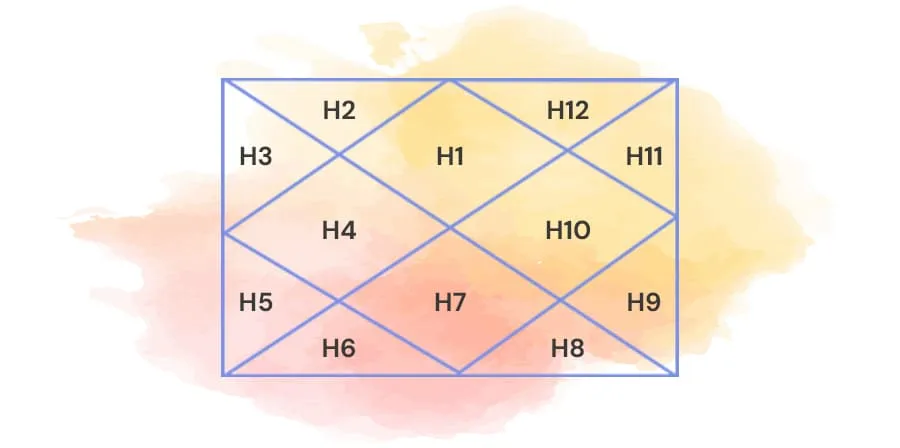
Each house does not represent just one thing. Instead, it governs a wide range of related themes.
For example:
This layered structure is what makes astrology detailed and precise. A single house can influence multiple areas of life at once.
| House | Represents | Key Focus |
| 1st | Self | Personality, body |
| 2nd | Wealth | Money, speech |
| 3rd | Effort | Courage, skills |
| 4th | Comfort | Home, emotions |
| 5th | Creativity | Love, children |
| 6th | Struggle | Health, enemies |
| 7th | Partnership | Marriage |
| 8th | Transformation | Secrets |
| 9th | Fortune | Luck, dharma |
| 10th | Karma | Career |
| 11th | Gains | Income |
| 12th | Moksha | Loss, liberation |
Each house carries much deeper meanings, which expand when we examine them through classical texts and modern interpretation.
The 1st house, also called Lagna, defines your identity and overall life path.
Classically, it represents body, strength, dignity, happiness, lifespan, knowledge, fame, and self-respect. It also reflects mental state, sleep patterns, and personal conduct.
In modern terms, this house shows how you present yourself, your confidence level, and your approach toward life. A strong first house creates clarity and presence, while a weak one may bring confusion and low vitality.
The 2nd house governs wealth, speech, and family values.
Classical texts link it to assets, truthfulness, food habits, precious items, and learning. It also reflects generosity, financial discipline, and communication style.
In today’s context, this house shows your financial stability, savings pattern, and how effectively you express yourself. It also influences your relationship with family and material comfort.
The 3rd house is associated with courage, effort, and communication.
It governs siblings, skills, hobbies, writing ability, and short travels. Classical interpretations also include valor, initiative, and personal strength.
In modern life, this house reflects confidence, communication skills, and the ability to take risks. It is strongly linked with media, content creation, and self-driven success.
The 4th house represents emotional security and inner peace.
It governs home, property, mother, education, and comfort. Classical meanings include land, vehicles, domestic happiness, and mental peace.
Today, this house reflects your emotional foundation, family environment, and sense of belonging. A strong fourth house gives stability, while a weak one may create inner unrest.
The 5th house is associated with creativity and expression.
It governs children, love affairs, intelligence, and education. Classical texts also link it to wisdom, mantra, and good deeds.
In modern interpretation, this house reflects creative thinking, romantic life, and decision-making ability. It also plays a role in speculative gains like investments.
The 6th house represents struggles and obstacles.
It governs diseases, enemies, debts, and daily work routines. Classical descriptions include conflicts, illness, and competition.
In real life, this house reflects your ability to handle challenges. A strong sixth house helps overcome problems, while a weak one may lead to stress and health issues.
The 7th house deals with relationships and partnerships.
It governs marriage, business partnerships, and agreements. Classical meanings also include attraction, desires, and social interaction.
In modern terms, this house shows how you handle commitment, partnerships, and public relationships. It is crucial for understanding marriage dynamics.
The 8th house is one of the most complex houses.
It governs sudden events, inheritance, secrets, and transformation. Classical texts associate it with longevity, crises, and hidden matters.
Today, this house represents deep change, psychological transformation, and research. It also connects with insurance, joint assets, and unexpected events.
The 9th house is considered highly auspicious.
It governs religion, higher education, long-distance travel, and mentors. Classical meanings include charity, wisdom, and good fortune.
In modern life, this house reflects beliefs, ethics, and spiritual growth. It also shows opportunities and guidance in life.
The 10th house is the house of profession and public image.
It governs career, achievements, authority, and recognition. Classical texts link it to power, leadership, and honor.
In today’s context, this house reflects your career path, professional success, and reputation in society.
The 11th house represents gains and achievements.
It governs income, profits, desires, and friendships. Classical interpretations include wealth, success, and fulfillment of goals.
In modern terms, this house shows your earning potential, networking ability, and social influence.
The 12th house represents endings and liberation.
It governs losses, expenses, foreign travel, and spirituality. Classical meanings include isolation, imprisonment, and detachment.
Today, this house reflects spiritual growth, subconscious patterns, and release from material attachments.
Classical astrology often uses references that reflect ancient society, such as kings, ministers, livestock, or royal courts. While the essence remains accurate, the expression of these results has changed over time.
For instance:
Astropatri bridges this gap by maintaining the original depth of astrology while presenting it in a way that is practical and relatable today.
The structure of Vedic astrology is precise and deeply interconnected. The 12 houses, 12 zodiac signs, and 9 planets together create a complete system that reflects every aspect of human life.
Understanding the twelve houses is the first step toward decoding your Kundli. Once you grasp how each house functions, astrology becomes clearer, more logical, and far more insightful.
To explore your own chart in detail, you can use Astropatri to generate online Kundali and gain deeper clarity through your daily horoscope and personalized predictions.
1. What are the 12 houses in Vedic astrology?
The 12 houses are twelve divisions of a birth chart, each representing a specific area of life such as personality, wealth, communication, relationships, career, and spirituality.
2. Why are the 12 houses important in a Kundli?
The houses show where life events happen. Without understanding houses, it is not possible to make accurate predictions about career, marriage, health, or finances.
3. Which house is the most important in astrology?
The 1st house, also known as the Lagna or Ascendant, is the most important because it defines your personality, health, and overall life direction.
4. What do empty houses mean in a birth chart?
An empty house does not mean that area of life is inactive. Its results depend on the ruling planet, planetary aspects, and current dashas and transits.
5. Which house represents money and wealth?
The 2nd house represents savings and accumulated wealth, while the 11th house represents income, gains, and financial success.
6. Which house is responsible for marriage and relationships?
The 7th house governs marriage, life partners, and business relationships. It shows how you deal with commitment and partnerships.
7. Which house indicates career and profession?
The 10th house represents career, profession, achievements, and public reputation. It is the most important house for professional success.
8. Are the 6th, 8th, and 12th houses always negative?
These houses are considered challenging, but they are not purely negative. They represent growth through struggle, transformation, and spiritual evolution.
9. How are houses calculated in Vedic astrology?
Houses are calculated based on your exact birth time, date, and location, which determines the Ascendant and the placement of all houses.
10. Can houses change in astrology over time?
The houses in your birth chart remain fixed, but their results change over time due to planetary transits and dasha periods.





Instant Report Based on Our Proprietary Framework, Developed by Experts