
 What is a Transit in Astrology
Generate Free Online Kundli
-
 Translate
- Astropatri Values
- My Account
Translate

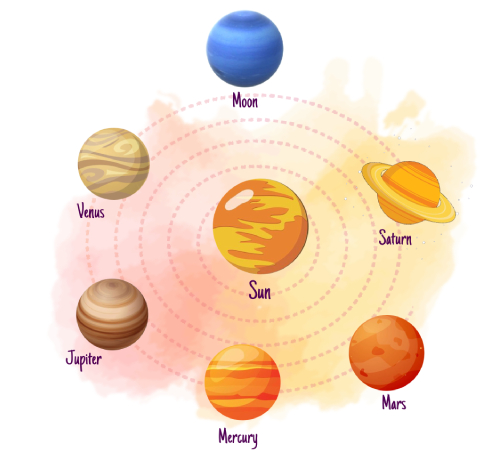
In Vedic astrology, each planet governs specific zodiac signs and influences different areas of life. The movement of these planets from one zodiac sign to another is known as a planetary transit or Gochar.
Some planets move quickly and create short-term effects, while slow-moving planets bring deep and long-lasting changes. These planetary movements influence career, finances, relationships, emotions, health, decision-making, and spiritual growth.
The ruling planet of a zodiac sign also shapes personality, behaviour, strengths, and life experiences. As planets continue moving through the zodiac, the positive and challenging influences in a horoscope also change.
For this reason, planetary transits are considered one of the most important timing tools in Vedic astrology.
The transit section of Astropatri helps readers understand how these planetary movements work and how they may influence life during the year.
In Vedic astrology, a transit, also known as Gochar, refers to the movement of planets through the zodiac after the moment of birth.
The birth chart shows the fixed position of planets at the time someone is born. However, planets do not remain in those positions. They continue moving through the twelve zodiac signs throughout life. These ongoing movements are called planetary transits.
Transits act as the mechanism through which karmic results are delivered.
The horoscope contains the promise of events that may occur in life. Planetary periods, known as Dashas, activate certain karmic themes. But these activated results still require a trigger to manifest in the outer world. Transits serve that role.
If the birth chart promises favourable results and the running dasha supports it, transits often bring opportunities, progress, and positive developments. If the birth chart indicates challenges and the dasha is difficult, the same transits may trigger obstacles or delays.
For this reason, transits alone are never blamed for good or bad outcomes. Their results depend on the natal chart and the planetary period operating at that time.
| Planet | Rules Zodiac Sign(s) | Average Transit Duration |
| Sun | Leo | Around 1 month |
| Moon | Cancer | Around 2 to 2.5 days |
| Mars | Aries and Scorpio | Around 2 months |
| Mercury | Gemini and Virgo | Around 3 weeks |
| Venus | Taurus and Libra | Around 5 weeks |
| Jupiter | Sagittarius and Pisces | Around 1 year |
| Saturn | Capricorn and Aquarius | Around 2.5 to 3 years |
| Rahu | No zodiac rulership | Around 18 months |
| Ketu | No zodiac rulership | Around 18 months |
Rahu and Ketu are known as shadow planets in Vedic astrology. Unlike the seven visible planets, they do not rule any zodiac signs. These lunar nodes always move in a retrograde or backward motion and usually take around 18 months to change signs.
Rahu represents worldly desires, ambition, obsession, illusion, foreign influence, and material growth. Ketu represents spirituality, detachment, inner wisdom, karmic release, and liberation.
Their transits often bring major karmic shifts and life-changing experiences.
The year 2026 includes several significant planetary movements that can influence both collective events and personal experiences.
Some planets move slowly and create long lasting effects, while others move quickly and influence shorter periods of activity.
Jupiter, the planet of expansion, wisdom, and opportunity, enters Cancer on 2 June 2026. This placement is considered very strong because Jupiter is exalted in Cancer.
This transit may increase focus on emotional security, family matters, education, and long term stability. Many people may experience growth in areas related to learning, home life, and spiritual development.
Read More about Jupitar Transit to Cancer.
Later in the year, Jupiter moves into Leo on 31 October 2026. This transit may highlight leadership, creativity, recognition, and personal confidence.
It can encourage people to express their talents, pursue creative ambitions, and take on visible roles in society.
Saturn remains in Pisces during 2026 and turns retrograde on 27 July 2026 before becoming direct on 11 December 2026.
Saturn’s movement through Pisces often brings lessons related to emotional maturity, responsibility, and spiritual discipline. During its retrograde phase, people may reassess long term goals, responsibilities, and inner beliefs.
Mercury experiences several retrograde phases in 2026, including:
Mercury retrograde periods often influence communication, travel, technology, and decision making. These phases encourage review, correction, and reflection before moving forward.
The transit calendar helps track the major planetary movements throughout the year. These include sign changes, retrograde phases, and combustion periods.
Mars moves to Aquarius on 23 February, while combust and joins Rahu.
As planets move through different zodiac signs, they activate various houses and energies in a person’s birth chart. This changes the flow of positive and challenging influences in life.
Planetary transits can influence:
Astrologers study planetary transits together with the birth chart and running dasha periods to understand when important life events may unfold.
Transit results should never be interpreted in isolation. Their actual impact depends on the structure of the birth chart and the planetary period running at the time.
Astrologers generally analyze transits using three main methods.
One of the most accurate methods is to study transits from the Ascendant (Lagna).
The Lagna represents the physical self and the twelve houses of the Kundali. When a planet moves through a house from the Lagna, it activates matters connected with that house.
For example, a transit through the tenth house may influence career and public reputation, while a transit through the seventh house may influence relationships and partnerships.
Transit predictions are also widely analyzed from the Moon sign (Rashi).
The Moon represents the mind and emotional experience. For this reason, daily and yearly horoscope predictions are often written using the Moon sign.
Important transit concepts, such as Sade Sati and Saturn’s transit results are traditionally interpreted from the Moon sign.
The final results of any transit depend on the complete birth chart.
Several factors influence the outcome:
Because each birth chart is unique, the same transit may produce different results for different individuals.
Planetary transits are one of the most powerful tools used in Vedic astrology to understand the timing of life events. While the birth chart reveals life’s potential path, transits and dashas activate the karmic results at the right moment.
By observing the movement of planets across the zodiac, astrologers can identify periods of opportunity, learning, challenge, and transformation.
Astropatri’s transit section helps readers stay informed about important planetary movements and understand how these cosmic changes may influence different areas of life.
Planetary transits refer to the continuous movement of planets through different zodiac signs after birth, influencing various areas of life over time.
Gochar is the Sanskrit term for planetary transit, describing how planets move across zodiac signs and affect an individual’s birth chart.
Transits help determine the timing of events in life. While the birth chart shows potential, transits trigger when those events may actually happen.
Dashas indicate the period when certain karmic results are activated, while transits act as triggers that bring those results into real-life experiences.
No. Transit results depend on the birth chart and the running dasha. The same transit can produce different outcomes for different individuals.
The birth chart is more important because it defines the potential. Transits only activate what already exists in the chart.
Astrologers analyze transits from the Lagna (Ascendant), Moon sign, and in relation to the full birth chart and planetary periods.
Both are important. Lagna shows real-life events, while the Moon sign reflects emotional and mental experiences.
Fast-moving planets like Mercury and Venus change frequently, while slow-moving planets like Jupiter and Saturn influence longer periods.
Major transits in 2026 include Jupiter’s movement into Cancer and Leo, Saturn’s retrograde in Pisces, and multiple Mercury retrograde periods.
Jupiter enters Cancer on 2 June 2026 and moves to Leo on 31 October 2026.
Mercury retrogrades three times in 2026—in February, June, and October.