 Ekadashi Dates 2026
Generate Free Online Kundli
-
 Translate
- Astropatri Values
- My Account
Translate

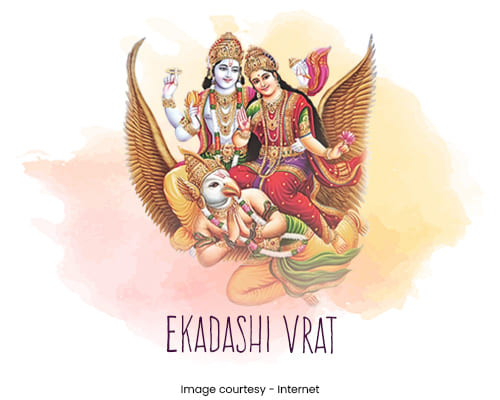
Ekadashi Vrat is a widely observed fasting practice in Hindu tradition, dedicated to Lord Vishnu. It occurs twice every month on the eleventh day (Ekadashi Tithi) of both Krishna Paksha and Shukla Paksha.
The vrat is followed for spiritual discipline, mental clarity, and religious observance. It is also considered important for those seeking stability, control over habits, and a structured spiritual routine.
Ekadashi fasting is not limited to food restrictions. It includes regulated eating, prayer, and mindful conduct throughout the day.
Below is the complete list of Ekadashi dates for 2026. These are based on traditional Panchang calculations followed in India.
| Month | Ekadashi Name | Date | Paksha |
| January | Shattila Ekadashi | 14 January 2026 | Krishna |
| January | Jaya Ekadashi | 29 January 2026 | Shukla |
| February | Vijaya Ekadashi | 13 February 2026 | Krishna |
| February | Amalaki Ekadashi | 27 February 2026 | Shukla |
| March | Papamochani Ekadashi | 15 March 2026 | Krishna |
| March | Kamada Ekadashi | 29 March 2026 | Shukla |
| April | Varuthini Ekadashi | 13 April 2026 | Krishna |
| April | Mohini Ekadashi | 27 April 2026 | Shukla |
| May | Apara Ekadashi | 13 May 2026 | Krishna |
| May | Padmini Ekadashi | 27 May 2026 | Shukla |
| June | Parama Ekadashi | 11 June 2026 | Krishna |
| June | Nirjala Ekadashi | 25 June 2026 | Shukla |
| July | Yogini Ekadashi | 10 July 2026 | Krishna |
| July | Devshayani Ekadashi | 25 July 2026 | Shukla |
| August | Kamika Ekadashi | 9 August 2026 | Krishna |
| August | Shravana Putrada Ekadashi | 23 August 2026 | Shukla |
| September | Aja Ekadashi | 7 September 2026 | Krishna |
| September | Parsva Ekadashi | 22 September 2026 | Shukla |
| October | Indira Ekadashi | 6 October 2026 | Krishna |
| October | Papankusha Ekadashi | 22 October 2026 | Shukla |
| November | Rama Ekadashi | 5 November 2026 | Krishna |
| November | Devutthana Ekadashi | 20 November 2026 | Shukla |
| December | Utpanna Ekadashi | 4 December 2026 | Krishna |
| December | Mokshada Ekadashi | 20 December 2026 | Shukla |
These dates are widely followed for fasting and spiritual observance.
Ekadashi is primarily associated with Lord Vishnu and is observed for maintaining discipline in both physical and mental routines.
From a traditional perspective, Ekadashi is believed to be a suitable time to reduce consumption, control impulses, and focus on spiritual practices. The repetition of this vrat twice a month creates a structured cycle that encourages consistency.
From a practical viewpoint, Ekadashi introduces:
This combination makes it both a religious and lifestyle-based practice.
The process of observing Ekadashi Vrat follows a sequence across three days.
The focus remains on maintaining consistency rather than strictness beyond physical limits.
The Ekadashi diet is designed to be light and easy to digest.
Allowed foods include:
These foods provide energy while keeping digestion light.
Certain food groups are strictly avoided during Ekadashi fasting:
These restrictions are followed to reduce digestive load and maintain simplicity.
Ekadashi can be observed in different ways depending on tradition and individual capacity.
Followed by householders and families. This is the most commonly observed form.
Observed by devotees of Lord Vishnu. It may fall one day after Smartha Ekadashi.
A strict fast without water. It is usually observed once a year and requires preparation.
Many people follow fruit-based or milk-based fasting if complete fasting is not possible.
Each Ekadashi is associated with a traditional katha. These narratives are part of the ritual and are often read or heard during the day.
The core message of Ekadashi kathas focuses on:
The stories highlight how regular observance of the vrat leads to stability and structured living.
In addition to fasting, certain practices are commonly followed:
These practices support the purpose of the vrat and help maintain focus.
In some cases, Ekadashi and Pradosh Vrat fall on consecutive days. This creates confusion about fasting rules.
In such situations:
This approach is commonly accepted in traditional observance.
Regular observance of Ekadashi Vrat may support:
While beliefs differ, the structure of the vrat itself promotes awareness and routine balance.
Many people unintentionally follow incorrect practices. Some common mistakes include:
Correct observance focuses on balance, not extremes.
Ekadashi Vrat is a structured and recurring fasting practice observed twice every month. It combines dietary discipline, regulated routine, and spiritual focus.
The vrat can be followed in a simple or strict manner, depending on individual capacity. The key aspect is consistency rather than intensity.
Following Ekadashi regu
larly helps maintain discipline in both food habits and daily routine.
Ekadashi Vrat is a fasting practice observed twice a month on the eleventh day of the lunar cycle, dedicated to Lord Vishnu.
Yes. Fasting can be done with water, fruits, or milk, depending on individual capacity.
Grains, rice, lentils, onions, garlic, and processed foods should be avoided.
The fast is broken on Dwadashi after sunrise.
No. It is optional and should be followed based on personal belief and health condition.
Instant Report Based on Our Proprietary Framework, Developed by Experts