
 Different Forms of Navratri Through the Year
Generate Free Online Kundli
-
 Translate
- Astropatri Values
- My Account
Translate

Navratri is a sacred period devoted to Goddess Durga and her divine forms. It is observed multiple times throughout the year, each phase guided by the lunar cycle. While many are familiar with Shardiya Navratri, there are four Navratri periods in total, each carrying its own spiritual importance.
These include Chaitra Navratri, Shardiya Navratri, Magha Gupta Navratri, and Ashadha Gupta Navratri. Though their visibility and traditions may vary, the essence remains the same. It is a time of purification, devotion, and inner discipline, beginning with Ghatasthapana, the invocation of divine energy.
Navratri invites a shift in routine, encouraging simplicity in food, clarity in thought, and steadiness in practice.
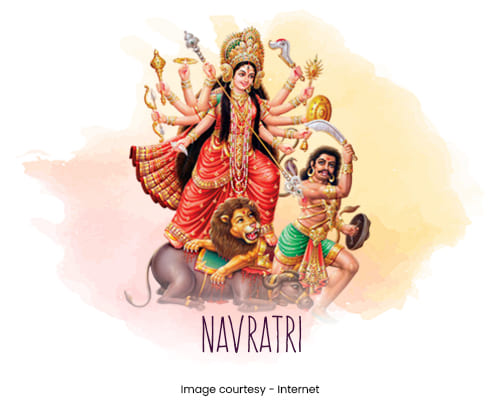
Navratri is not limited to a single season. It appears four times annually, each aligned with changes in the natural cycle.
Chaitra Navratri is observed during the spring season, usually in March or April. It is considered the beginning of the Hindu New Year in many traditions. This Navratri concludes on the ninth day with Ram Navami, marking the birth of Lord Rama.
This period is associated with renewal, as nature itself begins to change. It is often seen as a time to begin new routines and bring clarity into one’s life.
Shardiya Navratri falls during September or October and is the most widely observed among all Navratris. It concludes on the tenth day with Vijayadashami, symbolizing the victory of dharma over adharma.
This Navratri is marked by both spiritual observance and cultural celebration. Despite regional differences, the devotion towards Goddess Durga remains central.
Magha Gupta Navratri is observed in January or February. Unlike the more visible Navratris, it is followed quietly. It is practiced by those who prefer a more inward approach to devotion.
The focus during this period is on consistency, discipline, and controlled practice.
Ashadha Gupta Navratri is observed during June or July. Similar to Magha Gupta Navratri, it is not widely celebrated in public spaces.
This Navratri is observed with simplicity, where the emphasis is on personal discipline rather than external rituals.
Navratri begins with Ghatasthapana, which marks the arrival of divine presence. It is performed on the first day during an appropriate muhurat.
A Kalash is established as a symbol of life and energy. It represents the presence of Goddess Durga in the home for the duration of Navratri.
The ritual is performed with care, ensuring the place is clean and prepared. The Kalash is filled with water, topped with mango leaves and a coconut, and placed on soil where barley seeds are sown.
This remains undisturbed for all nine days, symbolizing continuity and focus.
Each day of Navratri is dedicated to a form of Goddess Durga. The daily practice remains simple and consistent.
The day usually begins with cleaning the place of worship, followed by lighting a diya and offering flowers. Devotees recite mantras or read from sacred texts such as Durga Saptashati.
Food offerings are prepared in a simple manner. Many people choose to fast, while others maintain a restricted diet.
As the days progress, the focus remains on maintaining a calm and steady routine.
Navratri is a journey through nine forms of the Goddess, each representing a different aspect of strength and balance:
Each day invites reflection on these qualities, allowing the devotee to gradually connect with them.
Fasting is commonly observed during Navratri, but it is not about strict denial. It is about moderation and awareness.
Many people avoid grains, onions, and garlic. Instead, they consume fruits, milk, and simple preparations made from vrat-friendly ingredients.
The idea is to keep the body light and the mind focused. Some follow complete fasting, while others choose a more balanced approach.
It is important to follow fasting based on one’s capacity rather than comparison.
Gupta Navratri is less visible but equally important. It is observed without public gatherings or large-scale celebrations.
The focus remains on quiet discipline, where devotion is expressed through consistency rather than display.
It is often followed by those who prefer a more inward approach to spiritual practice.
Navratri is observed across India in different ways:
Despite these variations, the central devotion remains unchanged.
Navratri is not about intensity. It is about steadiness.
Navratri is often seen as a period of inner alignment. It encourages a shift from external activity to internal awareness.
By simplifying food, reducing distractions, and maintaining daily Puja, the mind becomes more stable.
Each Navratri offers an opportunity to pause and reset. Whether it is Chaitra, Shardiya, or Gupta Navratri, the intention remains the same.
Navratri is observed four times a year, each bringing its own rhythm and purpose. Chaitra and Shardiya Navratri are widely followed, while Gupta Navratri remains quieter and more personal.
The practice remains simple. Begin with Ghatasthapana, continue with daily Puja, and maintain discipline in routine.
The difference lies only in how it is observed, not in what it represents.
Instant Report Based on Our Proprietary Framework, Developed by Experts