-
 Translate
- Astropatri Values
- My Account
Translate

The Astropatri team analysed national flag colours against planetary positions using Vedic astrology and identified Spain as one of the strongest contenders before the FIFA World Cup 2026 knockout stage.
Unlike traditional football predictions based on rankings, player form, or tactics, this framework explored whether the colours of a country’s flag symbolically aligned with the dominant planetary energies active during the tournament.
The analysis began by identifying the strongest planetary influences during the knockout stage. Each planet was then matched with its traditional colour in Vedic astrology, where Mars represents red, Jupiter yellow, Mercury green, Saturn blue, Venus white, and Rahu black.
Next, the colour composition of every national flag in the Round of 16 was studied and compared with these planetary influences. This helped identify which teams showed the closest symbolic alignment with the prevailing planetary energies.
One pattern quickly stood out. While many teams reflected strong Mars energy through the presence of red, Spain’s flag displayed a rare balance of Mars and Jupiter, making it one of the strongest symbolic matches in the Astropatri framework before the knockout stage began.
So, how was this framework developed, and what made Spain stand out from the other leading contenders? Let’s take a closer look at the methodology behind the analysis.
Before analysing a single flag, we first studied the planetary positions active during the FIFA World Cup knockout stage. The idea was simple. If certain planets were exceptionally strong during the tournament, then the colours traditionally associated with those planets in Vedic astrology could become the foundation of the analysis.
After examining the planetary transits, Jupiter and Mars emerged as the most influential planets, while Rahu was identified as a supporting factor that can produce unexpected results.
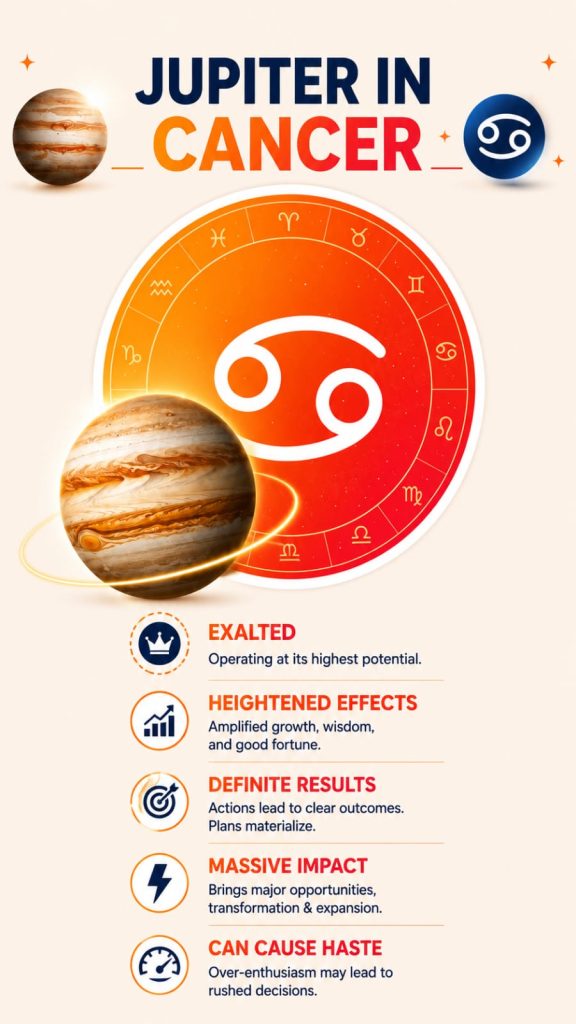
Jupiter was exalted in Cancer, making it one of the strongest planets during this period. In Vedic astrology, an exalted Jupiter represents wisdom, growth, expansion, good fortune, and favourable outcomes. It is often associated with opportunities that help individuals or teams rise above the competition.
The colour traditionally linked to Jupiter is yellow. Teams with a strong yellow presence in their national flags naturally became an important part of the analysis.
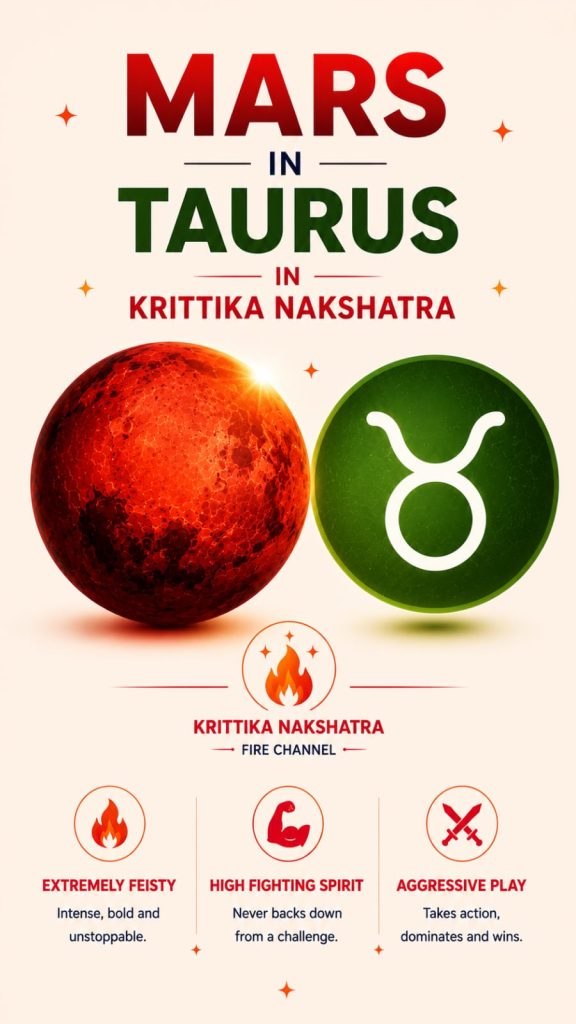
Mars was positioned in Taurus and transiting through Krittika Nakshatra, a placement associated with determination, confidence, discipline, and the ability to take decisive action. These qualities closely mirror the demands of knockout football, where resilience, aggression, and fighting spirit often determine the outcome.
The colour associated with Mars is red, making it another key element in the framework.
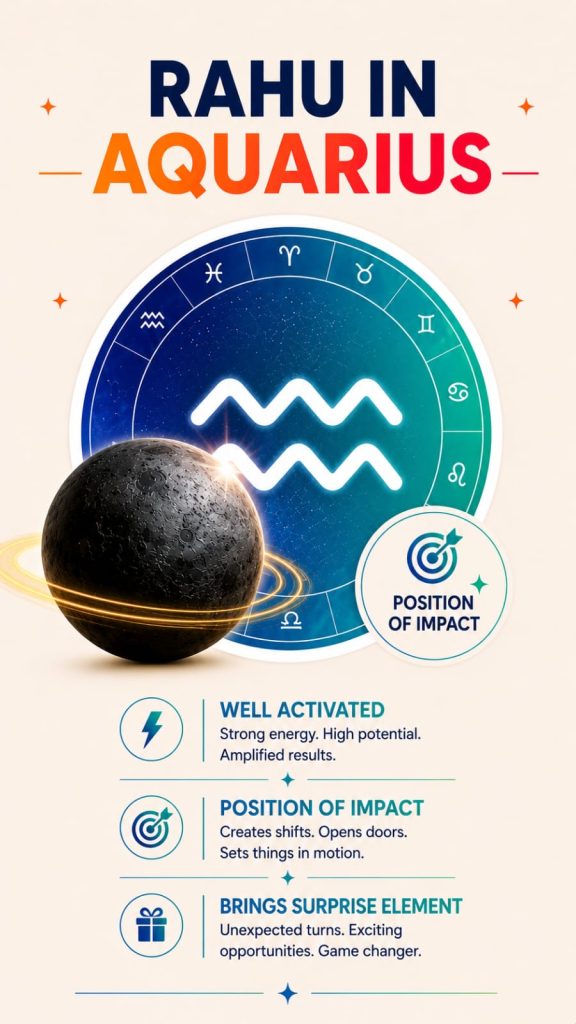
While Jupiter and Mars formed the core of the analysis, Rahu added another interesting dimension. Rahu is linked with surprises, unconventional outcomes, and dramatic twists. Its symbolic colour, black, was not treated as an indicator of victory but as a factor that could explain unexpected performances or giant-killing moments during the tournament.
With the planetary hierarchy established, the next step was to compare these dominant energies with the colour composition of every national flag that had reached the knockout stage.
Once the dominant planetary energies had been identified, we analysed the national flags of all sixteen teams that qualified for the knockout stage.
Each flag was broken down into its major colours, and every colour was matched with its corresponding planet using the Vedic astrology framework. Instead of focusing on minor design elements or emblems, the analysis considered the overall visual balance of each colour within the flag.
This comparison revealed an interesting pattern.
Red, the colour associated with Mars, appeared prominently in most of the remaining teams. In fact, thirteen of the sixteen national flags displayed a significant Mars influence, suggesting that courage, competitiveness, and determination were common characteristics among the teams that had reached the knockout rounds.
However, yellow, the colour of Jupiter, was much less common. Only a handful of teams showed a strong Jupiter presence. Since Jupiter was identified as one of the most powerful planetary influences during the tournament, these teams immediately stood out in the analysis.
Among them, Spain displayed one of the strongest and most balanced combinations of Mars and Jupiter, making it a standout contender in the framework.
This observation became the turning point of the analysis and led to a closer comparison of Spain with the other leading contenders.
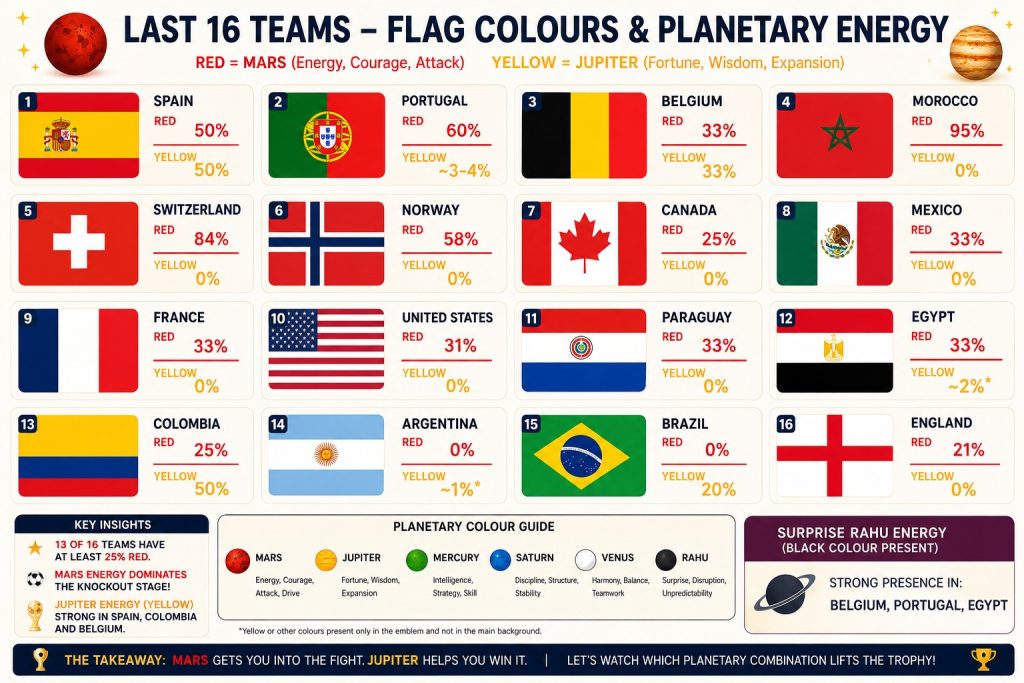
After analysing the planetary positions and the colour composition of all sixteen national flags, the Astropatri team compared the countries that showed the strongest symbolic alignment. While several teams reflected one dominant planetary influence, Spain stood out for its exceptional balance between Mars and Jupiter.
According to the framework, this balance was significant because Mars and Jupiter represented the two strongest planetary energies active during the tournament. Mars symbolises courage, determination, competitive spirit, and the ability to perform under pressure. Jupiter represents wisdom, expansion, good fortune, and the potential to achieve success at the highest level.
Spain’s national flag is made up almost entirely of red and yellow, creating a rare combination where both planetary colours are strongly represented. Unlike many other contenders, Spain did not rely on just one dominant planetary influence. Instead, it reflected a combination of aggression and composure, ambition and strategy, confidence and calculated decision-making.
This unique balance made Spain the highest-ranked team in the Astropatri analysis before the knockout stage had even begun.
As the analysis progressed, it became clear that every leading team reflected a unique combination of planetary energies through its national flag. Rather than ranking teams as “strong” or “weak,” the framework highlighted the symbolic qualities associated with each country’s flag based on Vedic astrology.
| Team | Dominant Flag Colours | Planetary Association | Key Symbolic Traits |
| Spain | Red, Yellow | Mars + Jupiter | Courage, leadership, fortune, expansion |
| Argentina | Sky Blue, White, Yellow (Sun Emblem) | Saturn + Venus + Jupiter | Discipline, teamwork, resilience, optimism |
| Portugal | Red, Green, Yellow | Mars + Mercury + Jupiter | Competitive spirit, intelligence, adaptability |
| Brazil | Yellow, Green, Blue | Jupiter + Mercury + Saturn | Creativity, strategy, consistency |
| France | Blue, White, Red | Saturn + Venus + Mars | Discipline, balance, determination |
| England | White, Red | Venus + Mars | Teamwork, courage, resilience |
| Belgium | Black, Yellow, Red | Rahu + Jupiter + Mars | Unpredictability, ambition, fighting spirit |
Spain was not the only team with a favourable planetary profile. Every finalist and top contender reflected a different blend of planetary energies.
One pattern became increasingly clear during the analysis. Many knockout teams displayed strong Mars energy through the prominent use of red in their national flags. Since Mars symbolises courage, determination, and competitive spirit, this was hardly surprising in a tournament of this level.
Jupiter, however, was much less common. Only a few teams reflected a strong Jupiter influence, and even fewer combined it with Mars in equal measure.
Spain’s flag stood out because it brought together Mars (red) and Jupiter (yellow), the two planetary energies that emerged as the strongest during the knockout stage. Within the Astropatri framework, Mars represented the drive to compete, while Jupiter symbolised wisdom, growth, and favourable outcomes.
This balanced combination made Spain one of the strongest symbolic matches in the analysis before the knockout stage began.
Football is driven by skill, preparation, teamwork, and moments of brilliance. This framework does not challenge those factors. Instead, it introduces an original way of looking at international tournaments through the lens of Vedic astrology and colour symbolism.
Rather than predicting individual match scores, it compares planetary positions with the colour composition of national flags to identify symbolic patterns. Whether readers see it as an interesting coincidence or a fresh astrological perspective, it opens the door to a unique conversation about sport and symbolism.
The FIFA World Cup is usually analysed through rankings, tactics, and player performances. The framework developed by the Astropatri team offers a different perspective by combining Vedic astrology with the colour composition of national flags.
Using this approach, Spain emerged as one of the strongest contenders before the knockout stage because its flag showed a remarkable balance of Mars, symbolising courage and determination, and Jupiter, representing wisdom, growth, and good fortune.
This framework does not claim that planetary colours decide football matches. Instead, it presents an original symbolic analysis that encourages readers to explore how Vedic astrology can offer a fresh perspective on major global events. Whether viewed as meaningful symbolism or an interesting coincidence, it highlights a unique intersection of astrology, culture, and the world’s biggest sporting tournament.
No. National flag colours cannot predict football results on their own. The Astropatri framework is a symbolic analysis inspired by Vedic astrology, where the colours of national flags are compared with dominant planetary positions to identify interesting patterns. Match results are ultimately decided by player performance, tactics, teamwork, and preparation.
Spain’s national flag contains a strong balance of red (Mars) and yellow (Jupiter). In the Astropatri framework, Mars symbolises courage, determination, and competitive spirit, while Jupiter represents wisdom, growth, and favourable outcomes. Since these were the dominant planetary influences during the knockout stage, Spain showed the strongest symbolic alignment.
In the Astropatri framework, red represents Mars, yellow represents Jupiter, green represents Mercury, blue represents Saturn, white represents Venus, and black represents Rahu. Each colour symbolises different qualities such as courage, wisdom, discipline, harmony, intelligence, or unpredictability.
Vedic astrology is traditionally used to study planetary influences on people and events. The Astropatri framework applies the same symbolic principles to international sporting events by comparing planetary positions with national flag colours. It is an original analytical approach that offers a different perspective and should not be viewed as a replacement for football analysis or statistical predictions.
Instant Report Based on Our Proprietary Framework, Developed by Experts