

Generate Free Online Kundli
-
 Translate
- Astropatri Values
- My Account
Translate

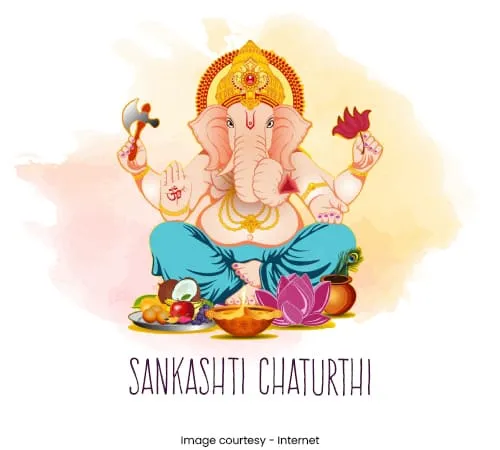
Sankashti Chaturthi Vrat is a deeply rooted monthly observance in Hindu tradition, dedicated to Lord Ganesha.
The term “Sankashti” itself comes from the Sanskrit word Sankat, meaning difficulty or hardship, and Chaturthi, which refers to the fourth day of the lunar cycle. Together, the day signifies a time devoted to seeking relief from life’s visible and unseen challenges. This vrat is observed every month on the Chaturthi Tithi of Krishna Paksha, the waning phase of the Moon.
The vrat is followed for removing obstacles, gaining mental clarity, and maintaining a disciplined routine. It is especially observed by those who are facing delays, confusion, or repeated challenges in life.
Sankashti fasting is not limited to food restrictions. It includes controlled eating, prayer, and a calm, structured routine throughout the day.
 Sankashti Chaturthi Dates 2026
Why Sankashti Chaturthi Vrat Is Observed
Sankashti Chaturthi Vrat Rules and Procedure (Step-by-Step)
What to Eat on Sankashti Chaturthi
What Not to Eat on Sankashti Chaturthi
Types of Sankashti Fasting
Sankashti Chaturthi Vrat Katha (Stories and Their Meaning)
What These Stories Teach
Important Practices on Sankashti Chaturthi
Sankashti Chaturthi and Moon Timing
Benefits of Sankashti Chaturthi Vrat
Common Mistakes to Avoid During Sankashti Chaturthi
Conclusion
Sankashti Chaturthi Dates 2026
Why Sankashti Chaturthi Vrat Is Observed
Sankashti Chaturthi Vrat Rules and Procedure (Step-by-Step)
What to Eat on Sankashti Chaturthi
What Not to Eat on Sankashti Chaturthi
Types of Sankashti Fasting
Sankashti Chaturthi Vrat Katha (Stories and Their Meaning)
What These Stories Teach
Important Practices on Sankashti Chaturthi
Sankashti Chaturthi and Moon Timing
Benefits of Sankashti Chaturthi Vrat
Common Mistakes to Avoid During Sankashti Chaturthi
Conclusion
Below is the complete list of Sankashti Chaturthi dates for 2026 based on traditional Panchang calculations followed in India:
| Date | Day | Sankashti Chaturthi | Moonrise Time | Month | Tithi Start | Tithi End |
| 6 January 2026 | Tuesday | Lambodara Sankashti (Sakat Chauth) | 08:59 PM | Magha | 08:01 AM | 06:52 AM (7 Jan) |
| 5 February 2026 | Thursday | Dwijapriya Sankashti | 09:39 PM | Phalguna | 12:09 AM | 12:22 AM (6 Feb) |
| 6 March 2026 | Friday | Bhalachandra Sankashti | 09:18 PM | Chaitra | 05:53 PM | 07:17 PM (7 Mar) |
| 5 April 2026 | Sunday | Vikata Sankashti | 09:58 PM | Vaishakha | 11:59 AM | 02:10 PM (6 Apr) |
| 5 May 2026 | Tuesday | Ekadanta Sankashti | 10:35 PM | Jyeshtha | 05:24 AM | 07:51 AM (6 May) |
| 3 June 2026 | Wednesday | Vibhuvana Sankashti | 10:04 PM | Jyeshtha | 09:21 PM | 11:30 PM (4 Jun) |
| 3 July 2026 | Friday | Krishnapingala Sankashti | 09:53 PM | Ashadha | 11:20 AM | 12:39 PM (4 Jul) |
| 2 August 2026 | Sunday | Gajanana Sankashti | 09:24 PM | Shravana | 11:07 PM (1 Aug) | 11:15 PM |
| 31 August 2026 | Monday | Heramba Sankashti (Bahula Chaturthi) | 08:29 PM | Bhadrapada | 08:50 AM | 07:41 AM (1 Sep) |
| 29 September 2026 | Tuesday | Vighnaraja Sankashti | 07:44 PM | Ashwina | 05:09 PM | 02:55 PM (30 Sep) |
| 29 October 2026 | Thursday | Vakratunda Sankashti | 08:17 PM | Kartika | 01:06 AM | 10:09 PM |
| 27 November 2026 | Friday | Ganadhipa Sankashti | 08:18 PM | Margashirsha | 09:48 AM | 06:39 AM (28 Nov) |
| 26 December 2026 | Saturday | Akhuratha Sankashti | 08:19 PM | Pausha | 08:04 PM | 05:12 PM (27 Dec) |
Note:
Sankashti Chaturthi is associated with Lord Ganesha, who is regarded as the remover of obstacles and the deity of intellect.
From a traditional perspective, Sankashti is observed to reduce difficulties and bring clarity in decision-making. The monthly repetition of this vrat creates a steady rhythm that supports discipline.
From a practical viewpoint, Sankashti fasting introduces:
This makes it both a religious and lifestyle-based practice.
The process of observing Sankashti Chaturthi follows a simple sequence.
The fast is completed only after moon sighting.
The diet followed during Sankashti fasting is light and simple.
Allowed foods include:
These foods help maintain energy while keeping digestion light.
Certain foods are avoided during the fast:
The idea is to reduce digestive load and maintain simplicity.
Sankashti Chaturthi can be observed in different ways depending on individual capacity.
Full Fast (Strict)
No food throughout the day, sometimes even without water until moonrise.
Phalahar Fast
Fruits, milk, and light foods are consumed.
Partial Fast
A simple meal is taken once, depending on health and routine.
Consistency matters more than strictness.
Each Sankashti Chaturthi is associated with a specific vrat katha linked to different forms of Lord Ganesha. These stories are traditionally read or heard during the puja. They do not rely on complex ideas. Instead, they explain how discipline, patience, and steady devotion help resolve difficulties over time.
Below are the key Sankashti Chaturthi vrat kathas explained in a simple and clear manner.
A king once faced repeated losses and unrest in his kingdom. Despite efforts, nothing seemed to work. On the advice of a sage, he observed Sankashti Chaturthi with full discipline. Over time, his problems reduced and stability returned. This story highlights that even serious problems can be managed with patience and consistent practice.
A merchant struggled with constant delays in his work. No matter how hard he tried, success remained out of reach. After observing this vrat with sincerity, his work gradually improved and his efforts began to show results. The katha focuses on removing delays and fulfilling genuine efforts.
A young man seeking success in life faced repeated failures. He began observing Sankashti Chaturthi with devotion. With time, his approach became more focused, and his work improved. The story reflects how steady discipline leads to growth and success.
A person dealing with confusion and lack of direction turned to this vrat. Through regular observance, clarity improved, and decisions became easier. The katha emphasizes gaining direction in life through consistent effort.
A devotee performed rituals carelessly without proper attention. Results did not follow. Later, he began observing the vrat with full focus and proper method. Gradually, his life improved. This story highlights the importance of doing even simple rituals with sincerity.
A family facing financial and emotional instability began observing Sankashti Chaturthi together. Over time, peace and comfort returned to their household. The katha focuses on family stability and well-being.
A ruler faced constant obstacles in governance. Every plan failed midway. After observing this vrat with discipline, the obstacles began to clear. The story shows that persistent effort combined with devotion helps overcome barriers.
A person struggling with unfulfilled wishes turned to this vrat. Over time, long-pending desires began to take shape. The katha suggests that consistency helps resolve long-standing issues.
A devotee troubled by repeated problems in life began observing Sankashti regularly. Gradually, the intensity of those problems reduced. The story reflects how steady practice brings balance.
A man facing opposition and conflict found relief after observing this vrat. His external challenges reduced, and his situation improved. The katha highlights protection from external difficulties.
A couple facing issues in family life observed this vrat with faith. Over time, their situation improved and harmony returned. The story is linked with family well-being and continuity.
A person seeking peace and stability began observing Sankashti Chaturthi. Gradually, life became more balanced and calm. The katha focuses on overall happiness and prosperity.
Although each katha is different, the message remains consistent:
These stories are not meant to create fear or pressure. They are meant to guide. The focus remains on steady effort rather than sudden change.
In addition to fasting, certain practices are commonly followed:
These practices support the purpose of the vrat.
Moonrise plays a central role in Sankashti Chaturthi.
The fast is observed on the day when moonrise occurs during Chaturthi Tithi. This means the fasting day may vary depending on location.
Moon timing differs across cities. Therefore, it is important to follow the location-based Panchang.
The fast is completed only after sighting the moon and offering water.
Regular observance of Sankashti Chaturthi may support:
While beliefs may vary, the structure of the vrat supports consistency.
Some common mistakes include:
Correct observance focuses on balance rather than strict extremes.
Sankashti Chaturthi Vrat is a monthly practice that combines fasting, discipline, and a structured routine.
It does not require complexity. It requires consistency. Observing this vrat regularly helps create a steady rhythm in both physical and mental habits.
The focus remains on simplicity, awareness, and control rather than intensity.
Sankashti Chaturthi is a monthly fast dedicated to Lord Ganesha, observed to remove obstacles and bring clarity in life. It is followed by prayer, fasting, and a structured routine.
Sankashti Chaturthi is observed every month on Krishna Paksha Chaturthi, the fourth day after the full moon.
The fast is broken only after moonrise. Devotees offer water to the moon and then complete the vrat.
Yes, many people follow a fruit and water fast. Strict fasting without water is optional and depends on individual capacity.
Grains, rice, wheat, lentils, onion, garlic, and processed foods are avoided during the fast.
Moon sighting is essential because the fast is considered complete only after seeing the moon and offering water.
It is when Sankashti falls on a Tuesday and is considered highly auspicious.
Instant Report Based on Our Proprietary Framework, Developed by Experts