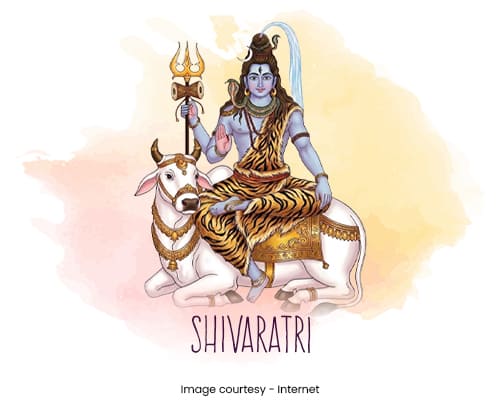
Masik Shivaratri 2026: Dates with Nishita Kaal Timings
Below is the complete list of Masik Shivaratri dates for 2026, including midnight puja timings:
| Month |
Date |
Nishita Kaal Timing |
| January |
16 January 2026 |
12:04 AM – 12:58 AM (Jan 17) |
| February (Maha Shivaratri) |
15 February 2026 |
12:09 AM – 01:01 AM (Feb 16) |
| March |
17 March 2026 |
12:05 AM – 12:53 AM (Mar 18) |
| April |
15 April 2026 |
11:59 PM – 12:43 AM (Apr 16) |
| May |
15 May 2026 |
11:57 PM – 12:38 AM (May 16) |
| June (Adhika) |
13 June 2026 |
12:01 AM – 12:41 AM (Jun 14) |
| July |
12 July 2026 |
12:07 AM – 12:47 AM (Jul 13) |
| August (Sawan Shivaratri) |
11 August 2026 |
12:05 AM – 12:48 AM (Aug 12) |
| September |
9 September 2026 |
11:55 PM – 12:41 AM (Sep 10) |
| October |
8 October 2026 |
11:44 PM – 12:33 AM (Oct 09) |
| November |
7 November 2026 |
11:39 PM – 12:31 AM (Nov 08) |
| December |
7 December 2026 |
11:46 PM – 12:40 AM (Dec 08) |
All timings follow standard Panchang calculations used in India.
What Is Shivaratri and How It Is Observed
Shivaratri is observed on the Chaturdashi Tithi of Krishna Paksha each month. It includes fasting, evening preparation, and midnight worship of Lord Shiva.
The observance is structured into three main phases:
- Daytime fasting or a controlled diet
- Evening purification and preparation
- Midnight Shiva Puja during Nishita Kaal
Masik Shivaratri provides a regular monthly cycle, while Maha Shivaratri is observed as the primary annual event.
Maha Shivaratri 2026: Date and Observance
Maha Shivaratri 2026 was observed on 15 February 2026 (Sunday).
This is the most significant Shivaratri of the year. The observance includes extended fasting, multiple rounds of Shiva Puja, and a night vigil in many traditions.
Traditional belief states that Lord Shiva manifested in the form of a Shiva Linga at midnight. It is also believed that Lord Vishnu and Lord Brahma worshipped the Linga at that time.
Because of this, Maha Shivaratri is associated with structured midnight worship and disciplined observance.
Difference Between Masik Shivaratri and Maha Shivaratri
| Aspect |
Masik Shivaratri |
Maha Shivaratri |
| Frequency |
Monthly |
Once a year |
| Importance |
Regular observance |
Highest significance |
| Ritual Scale |
Simple |
Elaborate |
| Participation |
Individual |
Large-scale |
Both follow the same tithi but differ in importance and scale.
Importance of Nishita Kaal
Nishita Kaal is the midnight period during which Shiva Puja is performed. It is the most important time for Shivaratri observance.
- Duration: Around 40 to 60 minutes
- Occurs around midnight
- Depends on tithi alignment and location
Puja performed during Nishita Kaal is considered central to the vrat.
Shivaratri Vrat Rules and Step-by-Step Method
The vrat follows a structured routine.
Daytime (Preparation Phase)
- Some observe complete fasting
- Others consume fruits or milk
- Avoid grains and heavy food
Evening (Pre-Puja Phase)
- Take a bath before sunset
- Prepare puja materials
- Maintain a calm routine
Midnight (Nishita Kaal Puja)
- Perform Abhishek of Shiva Lingam
- Offer water, milk, curd, and honey
- Offer bilva leaves
- Chant Shiva mantras
After Puja
- Some break fast after midnight
- Others continue until the next morning
Shivaratri Puja Samagri List
Common items required for puja include:
- Water and milk for Abhishek
- Honey and curd
- Bilva leaves
- Flowers
- Incense and diya
- Fruits
These are used during the midnight pooja.
What to Eat During Shivaratri Fast
Allowed Foods
- Fruits
- Milk and dairy
- Dry fruits
- Light vrat meals
Foods to Avoid
- Grains and cereals
- Onion and garlic
- Non-vegetarian food
- Packaged or heavy meals
The focus remains on light and controlled intake.
Who Can Observe Shivaratri Vrat
Shivaratri Vrat is not restricted to any specific group. It is followed by:
- Devotees of Lord Shiva
- Individuals maintaining fasting discipline
- People following monthly vrat cycles
Traditionally, different groups observe it for different purposes, but the practice itself remains open to all.
Special Shivaratri Days in 2026
Certain Shivaratri days are considered more significant:
- Maha Shivaratri (February 2026)
- Sawan Shivaratri (August 2026)
- Adhika Shivaratri (June 2026)
These days usually see higher observance.
Common Mistakes to Avoid During Shivaratri
- Ignoring Nishita Kaal timing
- Performing puja outside midnight
- Not checking the correct tithi
- Overeating before fasting
Correct timing is the most important factor.
Benefits of Observing Shivaratri Vrat
Regular observance may support:
- Structured routine
- Controlled eating habits
- Consistency in spiritual practice
- Better time discipline
The vrat combines fasting with timing-based rituals.
Practical Tips for First-Time Observers
For those observing Shivaratri for the first time:
- Start with a fruit-based fast instead of strict fasting
- Focus on performing puja at the correct time
- Avoid overcomplicating the process
- Maintain a simple and consistent approach
The vrat can be adapted based on individual capacity.
Conclusion
Shivaratri is a structured observance based on Krishna Paksha Chaturdashi, with emphasis on midnight puja during Nishita Kaal.
Masik Shivaratri offers a monthly opportunity for discipline, while Maha Shivaratri remains the primary annual observance.
The key aspects of this vrat are correct timing, controlled fasting, and consistent practice.
Frequently Asked Questions



 Masik Shivaratri 2026: Dates with Nishita Kaal Timings